
The Project based learning examples will help you make the leap from “students made something” to “students investigated, figured things out, created, and told others about it.” The following examples are designed so that you can use them in elementary grades as is, or tweak them to suit your own standards, pacing, or students.
What Is Project-Based Learning?
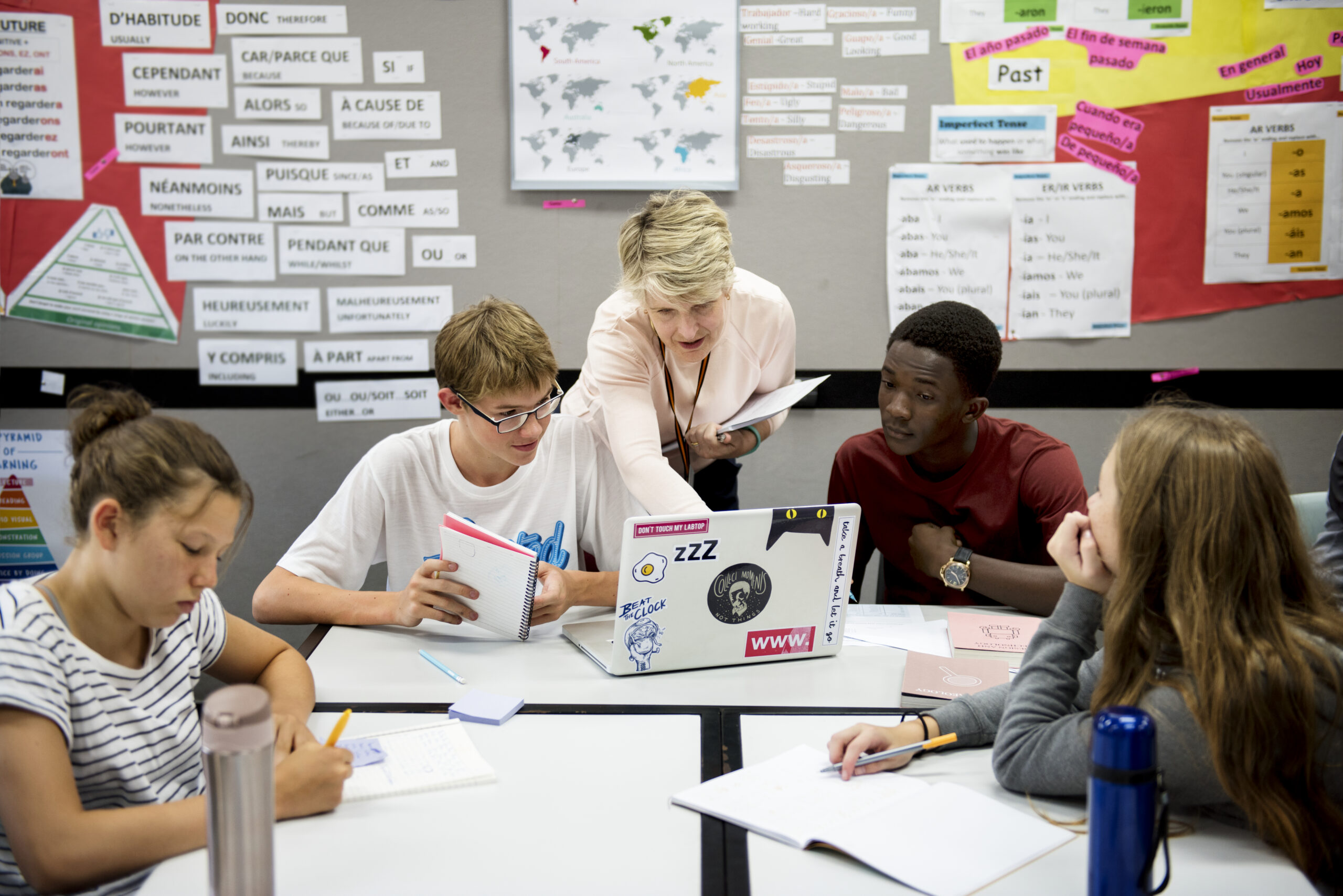
Based Learning, more commonly known as PBL, has students learning from asking a large question, facing a big challenge, or addressing an authentic problem. Students don’t receive everything step by step at the beginning. Students research, research information, decide on what information is the most appropriate, and create a product that displays what they learned. In a well-designed project experience, the process should include inquiry, real-world problem-solving, reflection, and the opportunity for a student-made final project such as a page in a book, a model, an advocacy campaign, a field guide, or a proposal. But it’s not just the product. The thinking is as important as the product.
Normally, a project comes after a lesson in a classroom: read the chapter, do the worksheet, and then create the poster. The project based learning is designed differently as it is the starting point for learning. Students need the content knowledge to answer an important question, so lessons, reading, practice, and science will lead into students’ projects. This can help students make connections to why they need to be learning certain skills. However, the project needs to include teacher-guided scaffolding, checkpoints, and a final product with an audience.
For younger students, make sure the question is specific and tied to their lives: “How might we help pollinators in our schoolyard?” is more likely to guide students than “learn about ecosystems.” “How can we teach families about winter weather?” makes writing, science, and speaking serve a clear, shared goal. It’s not enough to just have a one-day craft that is on theme. That can be fun. If you are just giving students the answer, having them follow the directions, and glue on paper, that’s a craft. If students are asking questions, gathering data and evidence, refining ideas, and communicating and justifying their decisions, that can be an even richer learning experience.
Use The Phrase What Is Project-Based Learning Once In Body Copy
If family members or a new teacher is asking for a short summary, describe it as a project: Students research a real question, learn key skills, and create a product for an audience. That definition also helps students sort the project based learning ideas that may already exist in their building or online as well. If it’s not just a themed craft, if it has choice, evidence, revision, and an audience-facing product, it’s a potential candidate.
Month-By-Month Classroom Project Ideas And Project based learning examples
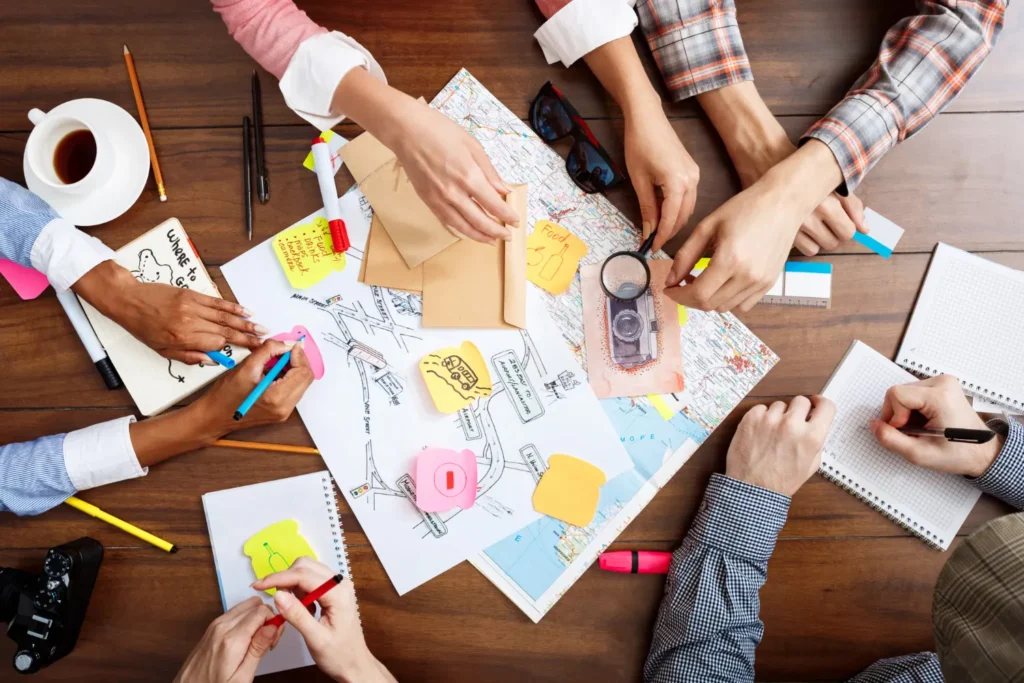
This calendar should serve as a menu of pbl ideas for elementary students. You can pick and choose and stretch the unit for several weeks, cut it to three days, and/or integrate it into your writing workshop instruction. These examples are powerful because if someone asks you what is project-based learning, you have examples ready to share that you can use to explain, “Our students are doing the real work, they’re developing the required skills, and they’re creating for an audience beyond ourselves.” Well designed units can enhance your instruction, motivate students to work, and help students practice higher level thinking skills and 21st century skills.
You can also treat these pbl project ideas as cross-curricular projects. For example, if you decide to do the Weather project, this will also include science, graphing, informational reading, and explanatory writing. The kindness project includes data collection, persuasive language, and oral presentations. It’s all up to you. For a younger class, you can offer sentence starters, partner roles, and a class-wide product. For an older class, you can add research, budgets, interviews, and student choice in their design choices. Hold that for a moment. The best project isn’t always the biggest project. The best project is one that students can finish.
January: Winter Poetry And Observation
Start by having students document winter observations: the colors of the sky, the temperature, sounds they hear, the clothes students are wearing, bare trees, frost on the window. Students make notes of their sensory observations. Next, students draft short poems. Students might write haiku, acrostic, or free verse. Simple projects such as this pbl projects are great options because students are exploring a specific question, “How can you write so that the reader can feel the cold of winter?” The project concludes with a class book of winter poems, created and illustrated by students and shared with families.
February: Kindness Campaign
Students will log random acts of kindness throughout the week. At the end of the week, students organize the data they collected and determine which random acts of kindness they would like to see promoted more in their classroom. Next, students create visuals or other communication tools to share their ideas, whether it’s a poster, a letter home, a morning broadcast, or a bulletin board post to a buddy class. A strong option for a February pbl project ideas is to create a class book of kindness inspiration in which each student writes a page describing one random act of kindness that they experienced that made them happy.
March: Weather Pattern Investigation
Students track daily weather, note temperature, record cloud cover, and look for any patterns that emerge across several weeks. This example of based learning takes a daily activity in the elementary curriculum and transforms it into an opportunity for students to analyze and make meaning from data. Students write claims about patterns they observed. They graph their temperature data using bar graphs. They make connections between the weather and the clothes that students bring from home and what students can do outside at recess. Finally, you will have your students create a seasonal weather classbook in which they publish observations and anecdotes.
April: Pollinator Garden Design
Students will research bees, butterflies, moths, or hummingbirds. Next, students will design a pollinator friendly space in a small corner of the classroom, in containers, or outdoors on the school grounds. A few good pbl ideas include choosing plant types, mapping a small outdoor space, labeling items, and justifying their selections. Students will learn that their design plan must meet the needs of animals. The product can be a “pollinator power” classbook of facts, drawings, and plant recommendations for the school garden.
May: Dream Playground Plan
Students will design a school playground that caters to the needs and interests of different age groups and interests. This project starter about based learning can easily bring in the skills students need for measuring, area, budgets, surveys, and persuasive appeals. Students might draw a sketch of the new playground and use an imaginary budget to estimate the cost of new equipment and justify their plan to the school community as a plan that allows for safer play. For a class book to create for the end of the year, ask students to write an about the class that includes a student’s reflections on their learning this year, one student memory, and a playground feature that the student would change in order to make their design plan better.
June: Local Adventure Research
Students will pick a spot in or near their town, such as a landmark, a park, a museum, a library, a hiking trail, or something in the community, do some research to figure out why this spot is important, make a quick trip there, and plan a route for a potential visitor. Students should collect basic resources, map a route that they could travel to get there, and plan for the travel time and/or travel costs. The final product could be a class travel guidebook. Or, you could have students create a summer class book, in which each student writes an “All About …” entry in which they profile a destination that families might visit over the summer.
July: At-Home Science Investigation
For the summer break, or during home learning times, ask kids to try a simple investigation using safe household items, such as ice melting, seeds sprouting, paper towel water absorption, shadow movement, etc. They make a hypothesis, record observations, and explain what happened with pictures and a few words. Keep it simple so parents can help without having to teach an entire unit. Then kids can use the investigation as research for a short science report later.
August: Based Learning Starter With All About Me Narratives
To start the school year with identity, voice, and community, students create self-portraits, interview a family member, list qualities that make them unique, and write a personal narrative or autobiography about a name, a family tradition, a favorite hobby, or a future goal. The guiding question is, “How can we help our classmates get to know us?” Students publish a classbook of the results in which each child creates a page early in the school year that allows them to see themselves as a published author. You can also use the classbooks to identify emerging writing skills and needs among your students.
September: Food Origins Inquiry
Students choose a popular food and research its original source to create a classbook. They research where the food is grown or raised, the journey it takes to reach them, where they can purchase the item, or other information that is developmentally appropriate for them. If they are young students, you could make a specific example that applies to the whole class, like apples. They trace the journey of an apple from the orchard to the grocery store to the school cafeteria. They write one or more informative paragraphs describing the information they learned. They write a short story where the apple becomes the narrator.
October: Pumpkin Math And Measurement
Students explore measurement, estimation, and data analysis with pumpkins. They estimate the mass, height, and circumference of each pumpkin. They count pumpkin seeds. They explore if a pumpkin sinks or floats. Students graph results and compare their estimates with the actual results. Students write a procedure for measuring a pumpkin. Each student creates a procedural or expository page for a class book where they tell others, “How to estimate circumference,” “How to count pumpkin seeds,” or other information they discover during the unit.
November: Helping Hands Service Project
Students identify a community where they can be helpful, such as school, church, neighborhood, or at home, and then they brainstorm a community service task that they can complete independently, such as arranging school supplies, writing a thank you note, helping younger students with a skill, making posters to remind others to help clean up the library, etc. Students research the service task, plan their work, and reflect on their learning and effort. They publish their service experience in a class book where they share what they did and why they think it was important to their community.
December: Holidays Around The World Research
Students learn about how people around the world observe traditions in a way that is appropriate for their age group and is educational, not a costume or a stereotype. Students can choose foods, music, symbols, family traditions, holidays, etc. They research the information using approved books or websites. Students write and illustrate compare-and-contrast paragraphs, informational pieces, or other writing formats to describe their research. Students then publish a classbook with the information and illustrations to create a sense of accomplishment and closure to the project as well as to show students the diverse and yet similar ways human beings live their lives throughout the world.

Turning Student Projects Into Classbooks And Shareable Products
When the end product has an audience, it changes how students write. Students can make a Classbook to have one winter poem page, one weather page, one kindness page, and so on from each child. Studentreasures is the company to think about if your goal is for students’ pages to be published and printed as a book to be kept in the classroom. Of course, you can have a digital product, or hang your work up in the hallway. I’ve noticed that when it is an actual book that is made, it has been very meaningful to students.
The tricky part that most people don’t mention is that your product should also meet the learning goal for the project. If the learning goal is that students will write an information report on their topic, make sure each page has facts, labels, diagrams, and/or explanations. If the goal is writing to persuade, each page needs a claim and reason. If the goal is to communicate science, students need to include observations and evidence. Have a peer-review, have conferences with students before the publishing date, and make sure there is a check list to use to help students revise their content, not their art.
It can be useful to compare how PBL is described by various education companies. For example, PBLWorks has an overview on their resources page that shows how they support teachers in designing projects for students. A post from Discovery Education offers an overview on teaching and learning through Project-Based Learning. You can find many PBL ideas from Edutopia to think about in the classroom, as well as a collection of SmartLab Learning’s classroom examples here. Finally, Imagine Worldwide’s overview of PBL examples also describes how they describe student work.
Free Publishing Kit Angle From The Winning Page
In addition to connecting student work to project learning, Studentreasures helps teachers make that process happen with publishing the work by offering a Free Publishing Kit. This kit can be used to collect pages and publish them as a book. Make sure to read the instructions, timeline, process for families ordering books, as well as the page requirements, before you use one of these kits. This will help you think through the drafts and illustrations that will need to be done, as well as permissions that may be needed and any due dates.
Frequently asked questions
Q1: In what ways does project-based learning differ from a typical classroom assignment? A1: Whereas a standard classroom task often follows direct instruction, problem-based learning (PBL) actually employs the initial question or problem as the structure for the lesson. Learners develop competencies because they are required to apply them in order to explore, make choices, build something, and communicate their ideas. If you’re trying to understand what is project-based learning, pay close attention to elements like inquiry, the autonomy granted to learners, iterative refinement, and the presence of an intended audience.
Q2: Which characteristics define a successful problem-based learning task for learners in elementary grades? A2: A strong PBL for this age group begins with an accessible, tangible question that students can grasp and a feasible end product they can complete. Anchor the subject matter in their immediate surroundings, encompassing schools, meteorology, cuisine, fauna, compassion, or neighborhood sites. You can also introduce distinct team responsibilities, structured sentence starters, progress checkpoints, and manageable research materials.
Q3: What is the typical duration for a PBL lesson? A3: A PBL lesson might last 3 days, 2 weeks, or an entire instructional period, based on the purpose and student grade level. Younger children tend to thrive using shorter work periods with regular teacher interaction. When momentum seems to be lagging, consider making the inquiry more focused or reducing the complexity of the deliverable.
Q4: What methods do instructors employ to evaluate PBL? A4: Evaluate both the method and the outcome using a grading checklist that explicitly identifies the competencies you instructed. You may rate information gathering records, cooperative collaboration, revisions, numerical precision, experimental data, composition, and delivery techniques. Schedule individual or group talks and administer quick assessments to ensure the learners get responses while there is still time for improvement before the deadline.
Q5: Is it feasible to integrate PBL in mathematics, science, literacy, and social science studies? A5: Absolutely, PBL is versatile and can apply throughout main disciplines when the assignment involves employing concrete academic knowledge. Quantifying a pumpkin promotes mathematical thinking, climate monitoring encourages science, researching origins of food connects with social studies, and writing anthologies fosters reading and writing abilities. Academic performance requirements are taught within PBL, not outside it.
Q6: Apart from presentations, what end products can students generate? A6: Students can author class books, field guides, charts, physical representations, correspondence letters, promotional drives, webcasts, art gallery exhibits, guides for others, pamphlets, statistical charts, or neighborhood recommendations. Determine the deliverable according to the objective being addressed. For example, a quiet student cohort could demonstrate their competence through authorship, sketches, or voice recordings rather than verbalizing their thoughts.
Bottom Line:
- The most valuable piece of work must include a brief explanation of problem-based learning plus a month-by-month list of usable task ideas.
- Incorporate the advantages that the opposing content highlights: participation, analytical abilities, conflict resolution, collaboration, and multidisciplinary study.
- Provide child-acceptable PBL examples but acknowledge that some PBLs may be appropriate for children above elementary grade levels.
- Follow the guidance of Project based learning examples before including supplementary material
- Pay attention to what the other resources aren’t doing in the space that is clearly valuable for a reader
Project-based learning is easiest to plan around a real question, a student-centered task, and a tangible product that students are excited to share. A calendar of ideas month by month, starting from winter poetry, a kindness campaign, weather research and observation, pollinator gardens, measuring and comparing pumpkins, holiday around the world, ensures that ideas are current and engaging. Great Project based learning examples aren’t just activities that fill class time. They give students a chance to work together, collaborate and problem-solve, and to have an audience for their writing, connecting what they are learning in class to what is happening outside of class. Feel free to use these examples and adapt them with appropriate scope, subjects, and culminating classbooks or presentations for your class.